
Legislation aiming to protect individuals from the unauthorized commercial use of their name, likeness, voice, image, and other aspects of their identity was introduced. AI and other digital technologies are making it easier than ever to replicate a person’s appearance and voice; this proposal aims to address that.
Key Points:
-
- House Bill 6150 was introduced by Representative Jason Hoskins (D-Southfield).
- The bill creates the Identity, Consent, Ownership, and Name Rights (I.C.O.N.) Act.
- It establishes clear ownership rights over an individual’s identity and requires consent before those attributes can be used for commercial purposes.
- The legislation preserves exemptions for news reporting, public affairs, commentary, scholarship, satire, parody, documentaries, and other protected expression.
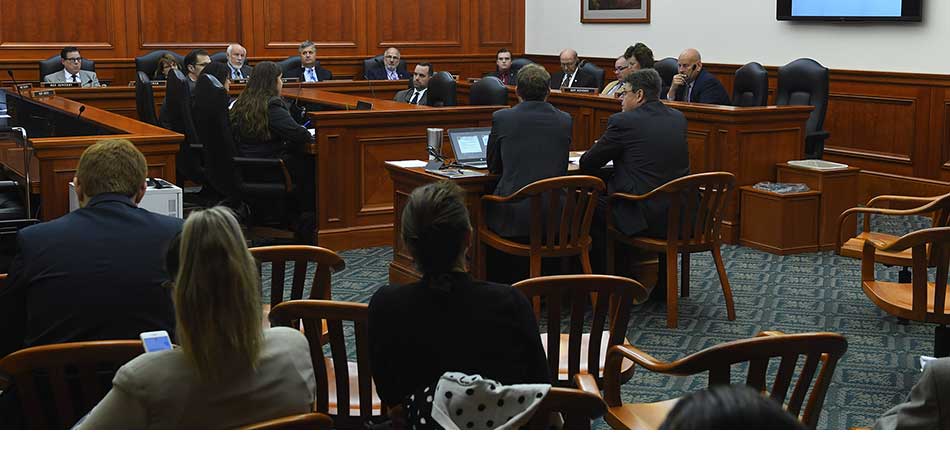
- The bill was referred to the House Economic Competitiveness Committee for consideration.
“Your voice belongs to you. Your likeness belongs to you. And your personal data and identity should not become someone else’s product without your knowledge or consent,” Representative Hoskins said. “As A.I. becomes more powerful, we need laws that keep people in control of their own image, their own voice, and their own future. The I.C.O.N. Act makes clear that human beings own the rights to who they are, not A.I. companies, tech platforms, or bad actors.”